Integrating Smart Home Device Controls to Adjust Room Ambiance Based on In-Game Environmental Changes During Immersive Play Broadcasts
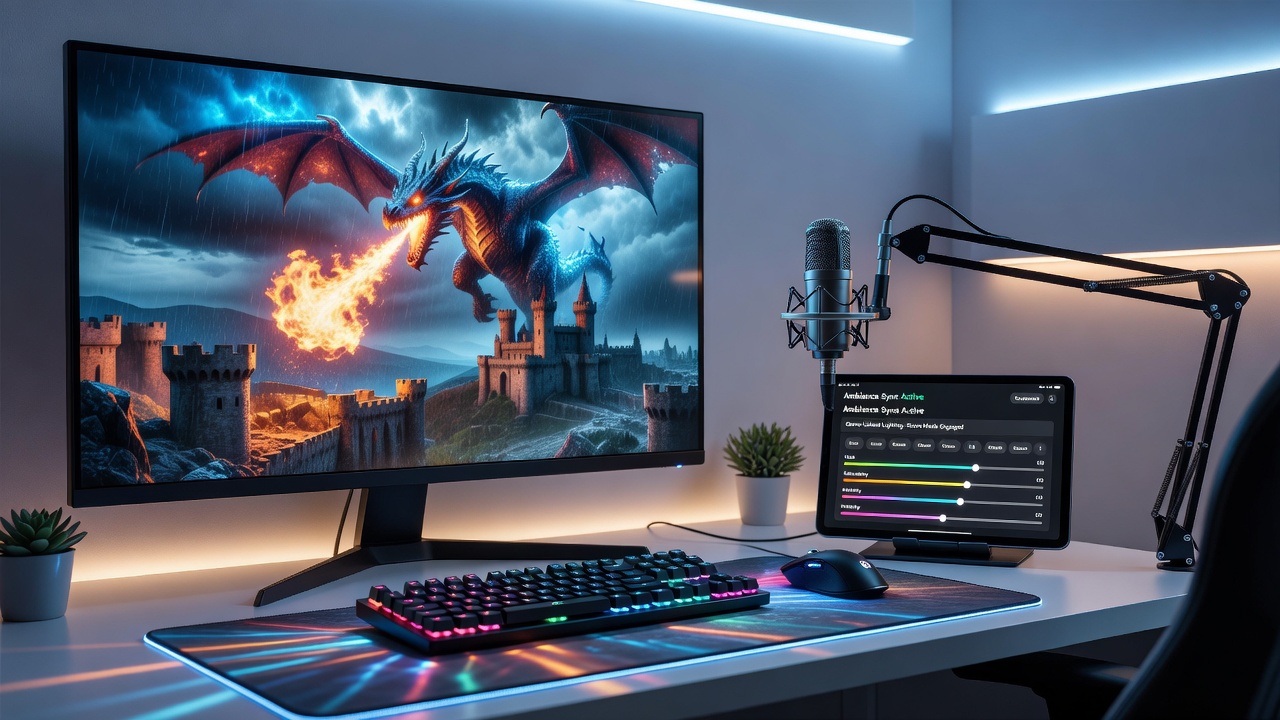
Streamers integrate smart home systems with gaming software to match room lighting, temperature, and sound to events unfolding inside virtual worlds, and this approach draws from established protocols that connect devices across local networks. Developers build bridges between game engines and platforms such as Philips Hue or LIFX through APIs that translate in-game data into commands for bulbs, thermostats, and speakers, while broadcasters route these signals during live sessions using tools like OBS Studio plugins or custom scripts.
Core Technical Components
Game titles expose environmental variables through open telemetry feeds or modding layers, and these outputs feed into middleware that maps values for light color, brightness, and hue shifts to specific scenes. Observers note that integration often relies on protocols including Zigbee, Z-Wave, and Matter, which allow hubs to receive instructions without direct internet dependency after initial setup, whereas Wi-Fi devices handle higher-bandwidth effects such as synchronized audio pulses. Research indicates that latency remains under 200 milliseconds in optimized configurations when local processing handles the translation instead of cloud relays.
Hardware requirements center on compatible controllers that accept REST or WebSocket inputs, and software layers such as Hue Entertainment API or Govee’s developer kit enable real-time adjustments during extended play sessions. Those who have examined broadcast archives find that titles with dynamic weather systems, day-night cycles, or particle effects produce the richest mappings because they generate continuous data streams rather than discrete events.
Implementation Patterns in Practice
Broadcasters configure scenes that trigger when characters enter new biomes, and scripts detect changes in variables like fog density or fire intensity before sending corresponding commands to grouped lights. One documented workflow involves pulling data from Unity or Unreal Engine debug consoles, parsing it with Python listeners, then forwarding packets to a local smart home bridge that distributes instructions across multiple rooms. Studies from academic labs in Canada show that such setups maintain synchronization across five or more devices when the network segment stays isolated from general household traffic.
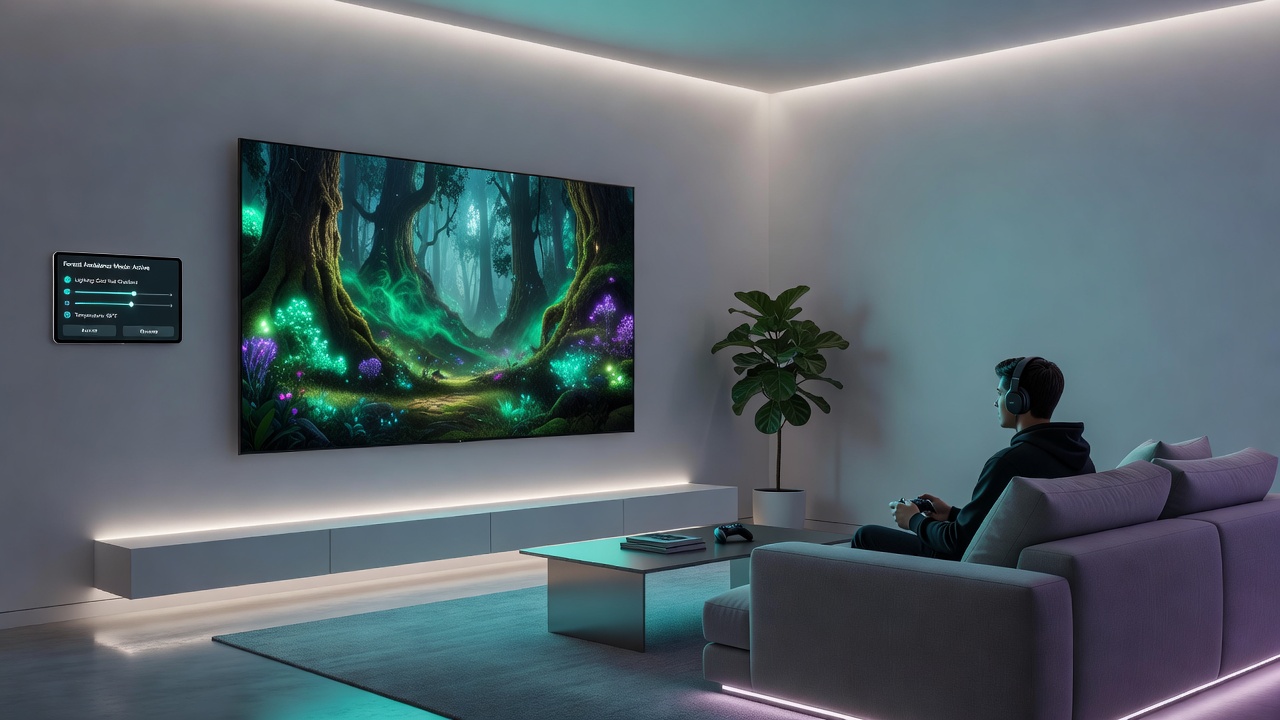
Security considerations include isolating the gaming PC on a dedicated VLAN and restricting API keys to read-only scopes where possible, while firmware updates from manufacturers address vulnerabilities reported through coordinated disclosure programs. Data from the European Telecommunications Standards Institute highlights that Matter-compatible products reduce fragmentation by enforcing uniform authentication methods across vendors, and this standardization supports broader adoption among streamers who maintain equipment from several brands.
Developments Expected by September 2026
Industry reports project expanded support for spatial audio devices that adjust reverb levels based on in-game acoustics, and beta programs scheduled for late 2026 aim to incorporate wearable sensor data for additional ambiance layers such as fan speed modulation. Figures from the National Institute of Standards and Technology indicate continued growth in Matter-certified products, which reached several thousand models by mid-2025, and these devices are expected to simplify cross-platform scripting for live production environments. Broadcasters who tested early firmware releases report stable performance when handling simultaneous lighting and climate commands during marathon events.
Case Examples from Existing Setups
One production team linked a survival title’s temperature gauge directly to a smart thermostat that raised or lowered room output within defined safety bounds, and another group mapped explosion events to brief strobe patterns across ceiling fixtures. These configurations draw on public documentation from device manufacturers and require only basic scripting knowledge once the initial API connections are established. Researchers at Australian universities have catalogued similar projects that combine game telemetry with home automation for accessibility features, noting consistent results when calibration routines account for individual room reflectance values.
Conclusion
Integration of smart home controls with game environments continues to evolve through open standards and middleware layers that translate virtual conditions into physical outputs, and available evidence shows reliable performance across multiple device ecosystems when networks are properly segmented. Streamers who adopt these methods gain tools for extending immersion without altering core gameplay mechanics, while ongoing protocol refinements support wider compatibility by September 2026 and beyond.