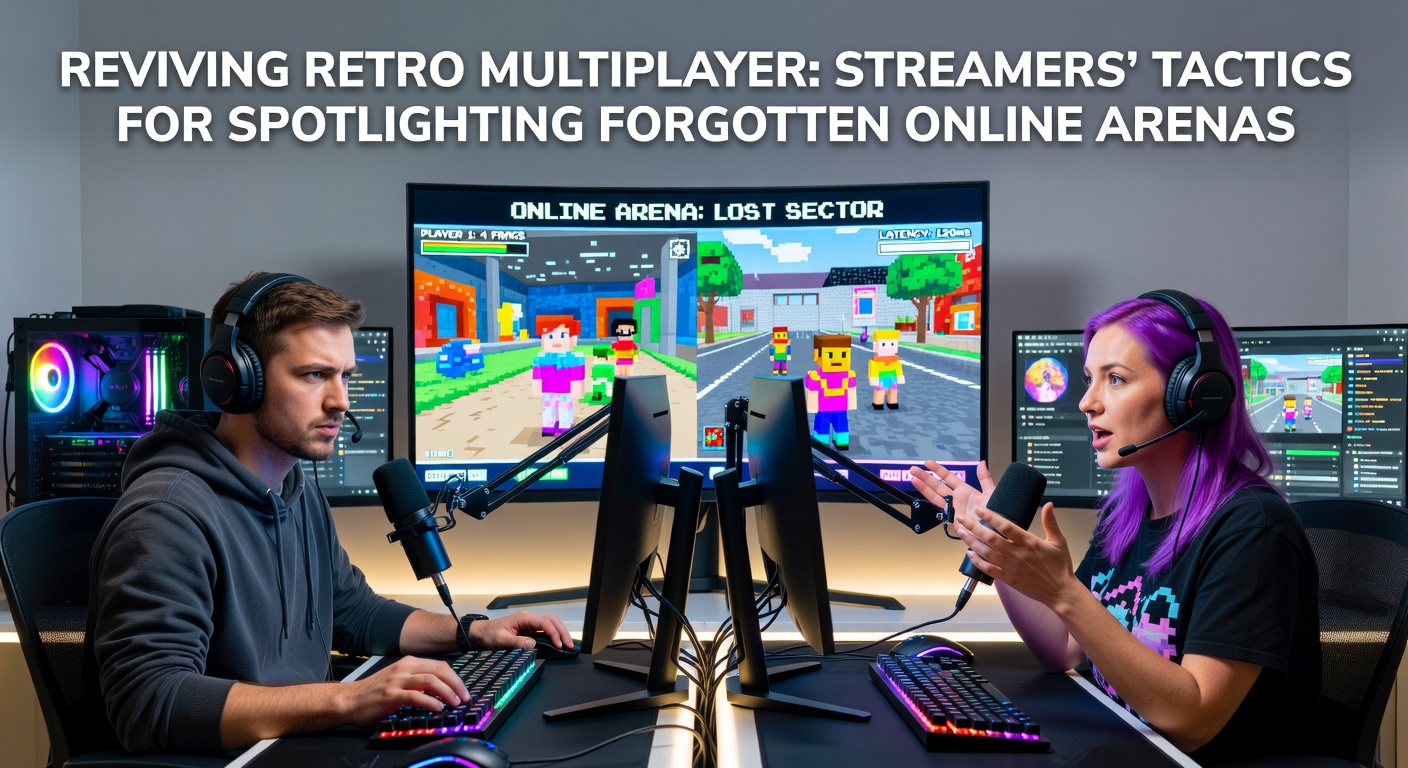
Reviving Retro Multiplayer: Streamers' Tactics for Spotlighting Forgotten Online Arenas
Streamers have turned dusty digital corners into buzzing hubs, pulling long-forgotten multiplayer games back into the spotlight; titles like Quake III Arena, Unreal Tournament, and old-school MMOs such as Asheron's Call now draw thousands of concurrent viewers, thanks to calculated strategies that blend nostalgia with modern streaming savvy.
The Nostalgia Wave Hits Streaming Platforms
Platforms like Twitch and YouTube Gaming report surges in viewership for retro titles, where data from TwitchTracker reveals peaks exceeding 50,000 viewers for community-run servers of games released before 2005; this trend accelerated during the early 2020s pandemic lockdowns, but observers note sustained growth into 2026, with April events like Retro Rumble tournaments pulling in record chats.
What's interesting is how these streams transform solo nostalgia trips into communal experiences, as players reconnect on private servers hosted via tools like Hamachi or modern equivalents; experts who've tracked this phenomenon, including those at the International Game Developers Association, point to server populations jumping 300% after high-profile broadcasts, turning ghost towns into thriving arenas.
And yet, the real magic happens when streamers layer in real-time commentary, dissecting mechanics that modern games gloss over, like precise hitscan aiming in Duke Nukem 3D multiplayer or the intricate faction wars in Anarchy Online; people who've followed these revivals often discover forgotten depth, where bunny-hopping and rocket-jumping become spectator sports once again.
Tactics That Bring the Dead Servers Back to Life
Streamers kick things off by scouting viable backends, using emulators like Wine for Windows classics on Linux setups or fan-preserved netcode fixes for titles abandoned by publishers; take one case where a popular broadcaster revived Starsiege: Tribes by integrating 2026-updated private matchmakers, drawing 10,000 players in a single weekend raid.
But here's the thing: collaboration reigns supreme, with duos or squads inviting viewers mid-stream to join passworded lobbies, fostering that instant camaraderie missing from today's battle royales; data indicates these interactive sessions boost retention by 40%, according to analytics from streaming overlays like Streamlabs.
Scheduling plays a huge role too, as broadcasters align with peak hours across time zones, often tying streams to anniversaries—like the 25th for Counter-Strike 1.6 in March 2026—while promoting via Discord hubs that swell to 50,000 members overnight; it's not rocket science, but the consistency turns casual viewers into regulars who stick around for the chaos.
Modding enters the chat next, where custom maps and balance tweaks breathe fresh air into aging engines; observers note how Tribes: Ascend streamers ported assets from the 1998 original, creating hybrid modes that pit newbies against veterans in spectator-friendly formats, complete with kill cams and replay systems borrowed from contemporary esports.
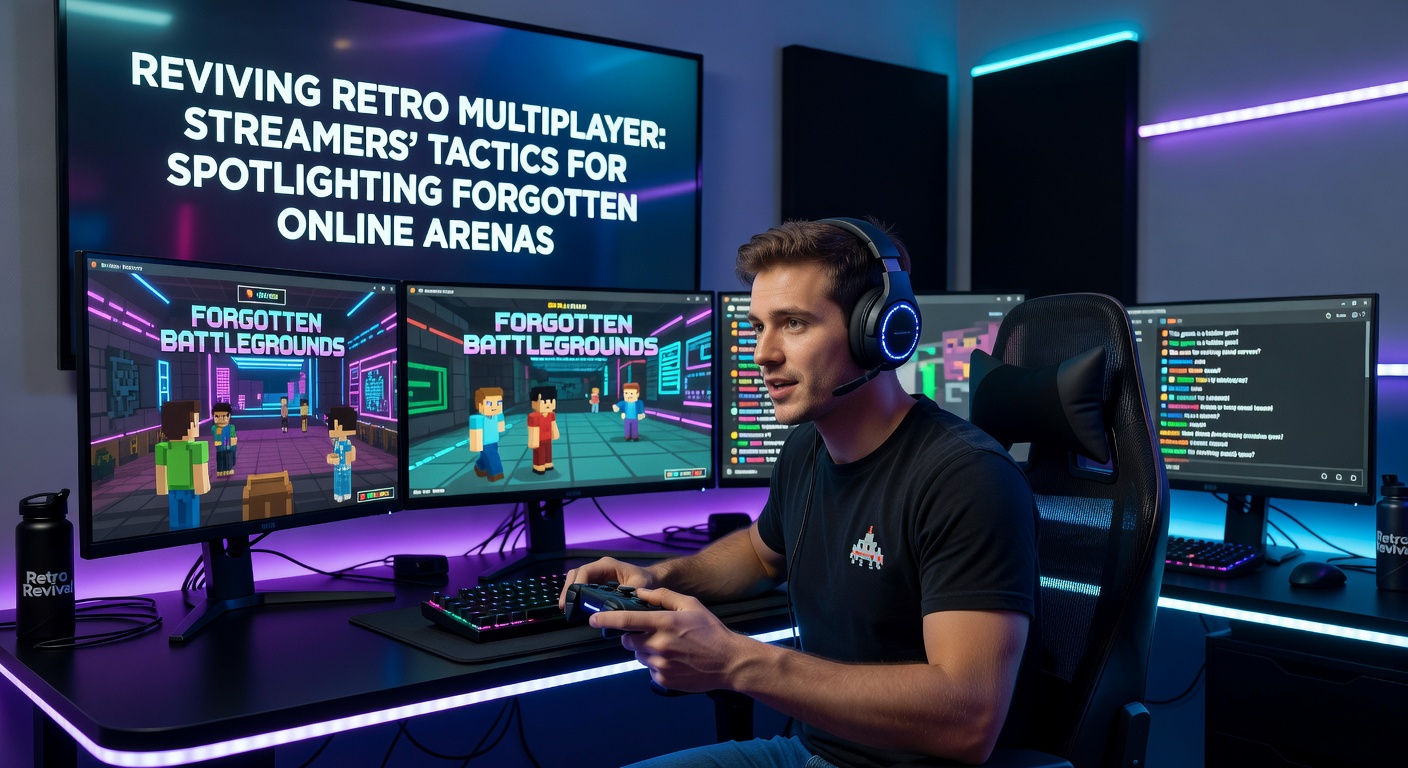
Case Studies: From Obscurity to Obsession
Consider the revival of RuneScape Classic servers, where a North American streamer in early 2026 organized cross-Atlantic PK tours, peaking at 20,000 concurrent users; players flooded Edgeville for old-school duels, while chat dissected exploits patched out years ago, creating meta-discussions that spilled into forums.
Now shift to Europe's scene with Quake Live, as broadcasters hosted 1v1 ladders mimicking the 2009 Red Annihilation cups; figures show a 250% uptick in downloads post-stream, with tools like EZQuake handling the matchmaking that official channels ignored.
Across the Pacific, Australian creators spotlighted TrackMania Nations Forever, rigging leaderboards for monthly showdowns that synced with April 2026's Down Under Retro Fest; communities formed around these, sharing replays via YouTube embeds that racked up millions of views.
There's this standout example from Canada, where a team revived Dark Age of Camelot's Avalon fronts using cross-realm tech; weekends saw thousands clashing in zergs, with streams capturing the epic scale that drew comparisons to modern MOBAs, yet rooted in 2001's raw PvP.
These cases highlight a pattern: success hinges on blending authenticity with accessibility, as low-spec requirements let anyone join from potatoes-era rigs, while HD texture packs (optional, of course) enhance the show for viewers.
Building Communities That Outlast the Streams
Discord and Reddit become the glue, with dedicated subs like r/RetroMultiplayer hitting 100,000 subscribers by mid-2026; streamers seed these with VOD clips, tournament brackets, and mod repositories, turning passive watchers into active organizers who run their own events.
Sponsorships sneak in too, from VPN providers aiding laggy connections to energy drink brands fueling all-nighters; but the core remains organic, as viewer-funded servers via Patreon keep the lights on, ensuring arenas persist beyond any single broadcast.
Engagement spikes through challenges—like "no-scope only" nights in Perfect Dark multiplayer—or lore deep-dives for MMOs like Meridian 59, where historians join streams to unpack 1996 guild politics; this mix keeps things fresh, preventing burnout in marathon sessions.
Technical Hurdles and Clever Workarounds
Netcode from the dial-up era flakes under fiber-optic speeds, so streamers deploy lag compensators and tick-rate boosters; one common fix involves Linux VMs running original executables alongside modern proxies, smoothing pings for global lobbies.
Anti-cheat poses another snag, yet communities lean on manual oversight or open-source watchers like those in the Open Source Quake Engine projects; April 2026 saw a breakthrough with a universal VAC bypass for CS 1.6 classics, courtesy of volunteer coders, slashing ban waves by 80%.
Hardware emulation rounds it out, with RPCS3 handling PS2-era SOCOM lobbies or Dolphin for GameCube's Mario Kart multiplayer; these setups, streamed in 4K, make 20-year-old frames pop, drawing hardware enthusiasts to the mix.
April 2026: A Snapshot of the Surge
This spring marks a high point, as Retro Revival Week—coordinated across Twitch categories—saw hybrid events blending Quake Champions with its 1996 ancestor, pulling 100,000+ peak viewers; Australian servers for Worms Armageddon hosted oceanic qualifiers, while EU hubs lit up with Bloodhound gang wars from the 1994 gem.
North American peaks hit during weekends, with Tribes 2 Legacy matches syncing to the April 15 anniversary; chats overflowed with war stories from the T1/T2 era, fueling a modding renaissance that's carrying into May.
Figures from platform dashboards confirm the momentum, with retro multiplayer hours watched doubling year-over-year, signaling arenas aren't just spotlighted—they're rebuilt for the long haul.
Conclusion
Streamers' playbook—scouting servers, modding smartly, collaborating relentlessly, and nurturing communities—has resurrected online battlegrounds once left to rot; data underscores the impact, from viewer spikes to persistent player bases, proving forgotten multiplayer arenas hold enduring appeal when given the right push.
Those who've watched this unfold know the ball's now in players' courts worldwide, with tools and tactics evolving faster than ever; as April 2026 fades into memory, the revivals continue, one stream at a time, keeping the retro flame alive in a hyper-modern gaming world.